


Touchstone Glazing / Help & Advice
Listed Building Guide
Double Glazing in Listed Buildings?
Having a listed property does not mean that work cannot be carried out, but it does mean that any changes will usually need approval from the local authority. In general, it is widely accepted that preserving a historic building begins with keeping it functional, usable and properly maintained.
In recent years, there has been a growing focus on improving the thermal efficiency of older buildings and helping to reduce environmental impact, where this can be achieved sensitively and without compromising the character of the property. This can present a challenge for owners of listed buildings and properties within conservation areas.
Windows play a vital role in the appearance, character, and historical significance of a building. They often provide important insight into a property’s origins and development over time, which is why original windows within listed buildings and conservation areas should be carefully protected wherever possible.
Where replacement is necessary, new windows should closely replicate the originals in both appearance and detail. Without a proper understanding of traditional buildings and how they function, poorly designed modern replacements can have a negative impact on the character of the property and may even damage the building fabric itself. Sensitive, well-designed replacements are therefore essential in preserving both the appearance and integrity of historic buildings.
It is therefore imperative that advice and guidance is taken when making such an important decision. A good architect or surveyor who specialise in historic and listed buildings is valuable when undertaking any conservation research. Touchstone can offer to support you through this process.
Listed Building Consent Timescale
Local authorities aim to make a decision on planning and listed building consent on all applications within eight weeks from the date of validation. The statutory period allows local authorities to conduct a 21-day public consultation and review the proposals. If granted, the consent generally allows 3 years from the date of approval for the work to begin.
Historic England are consulted on applications involving Grade I or II* listed buildings. A pre-application enquiry can help speed things along by identifying any potential issues early in the planning process. No work on a building of any grade listing should begin until consent has been granted, and any pre-commencement conditions attached to the consent have been complied with.
Find out about VAT and listed buildings here.
The Listed Building Consent Process
Before any glazing work starts, consent from your local council will need to be obtained in order to move forward. Sometimes a lengthy process, you will need to submit all your proposed plans and the reasons for each one. We at Touchstone understand that this can be a daunting process and as part of our service, we endeavour to assist you every step of the way. You can start the application by applying using your local government council website.
It is important to obtain expert advice when considering alterations and repairs to Listed Buildings. Surveyors can provide advice on the structural condition of the buildings fabric and works required for its maintenance and repair.
Our Bespoke Service
As a double glazing window manufacturer and installer we are more than happy to help you with the following:
Provide technical drawings of our double glazing system in your listed building.
Provide samples.
Meet with Conservation Officers to explain how our windows work in historic buildings.
Modify our designs where possible to compliment your listed building.
Write window reports.
Provide similar past case studies for your local council and Conservation Officer.
Assist with your application and help you through every stage of the process.
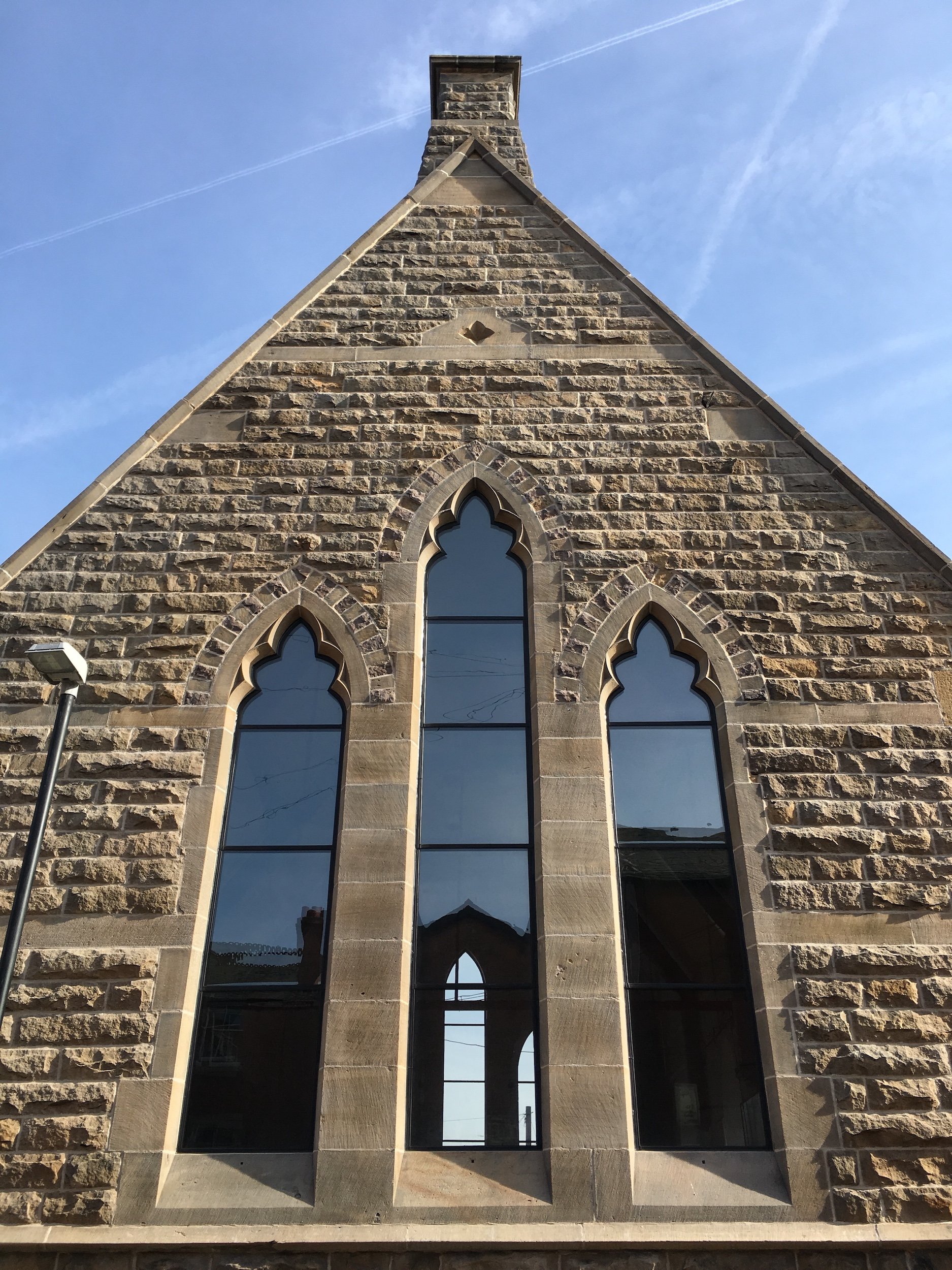
Our Solution
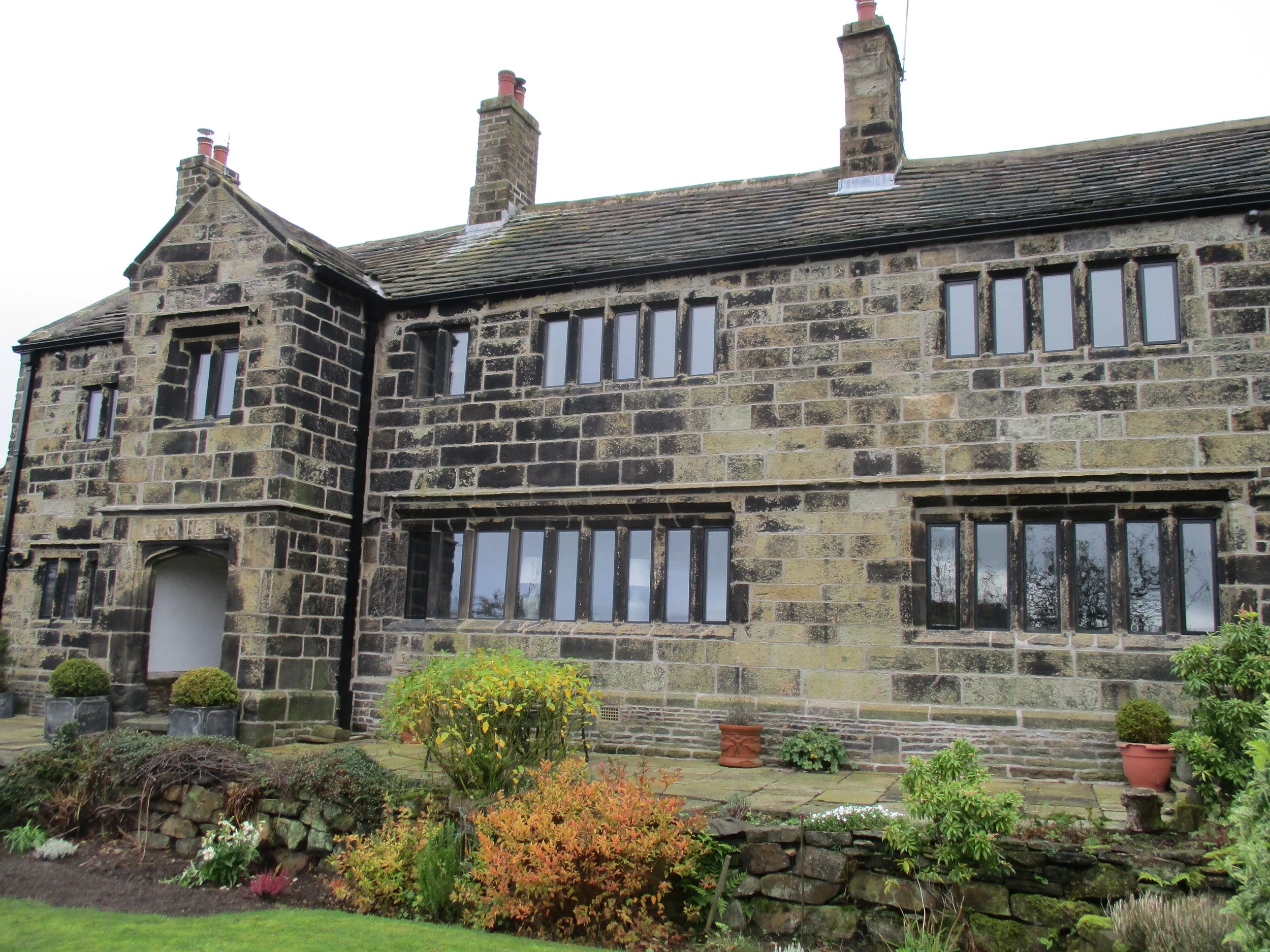
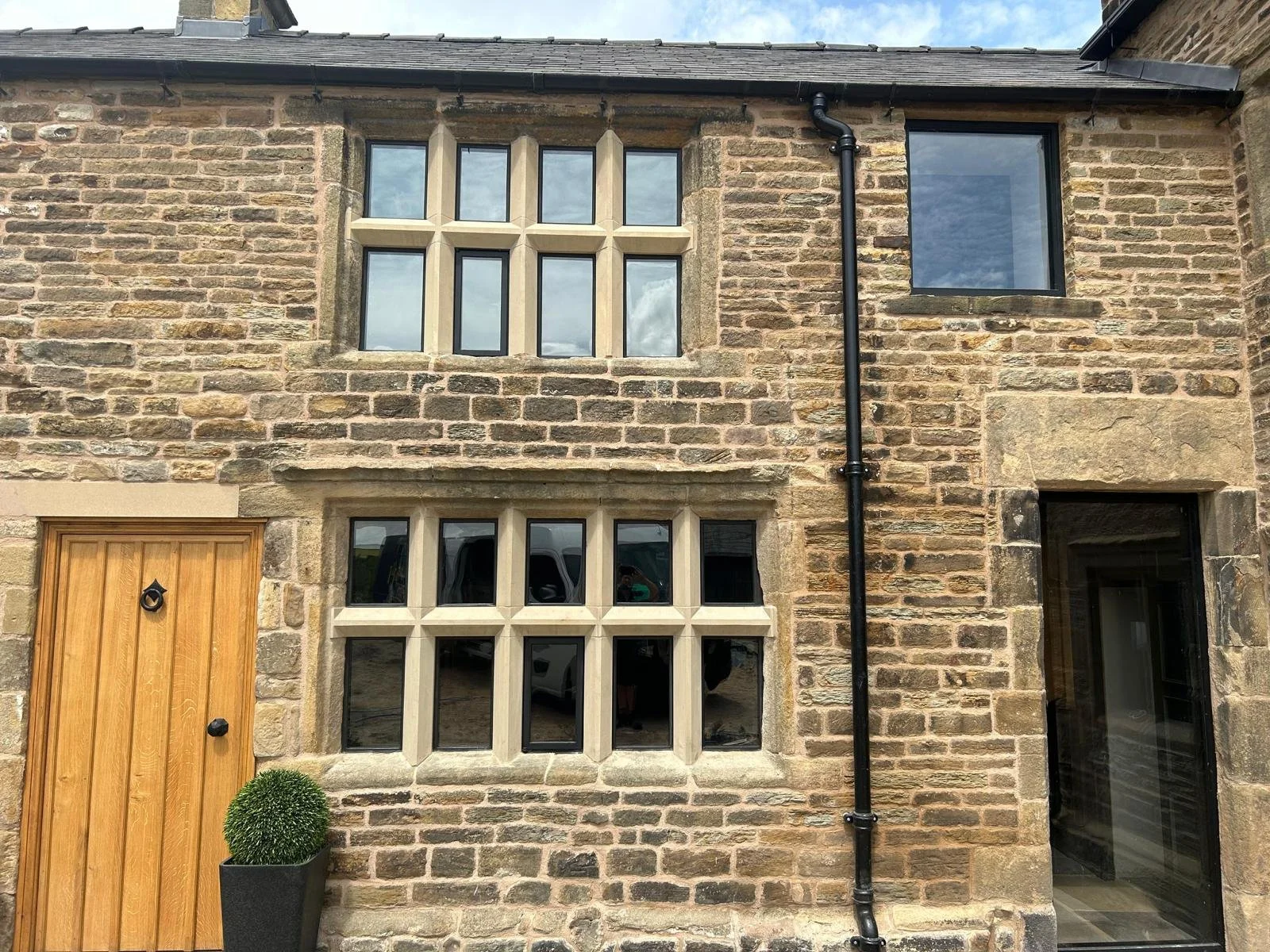
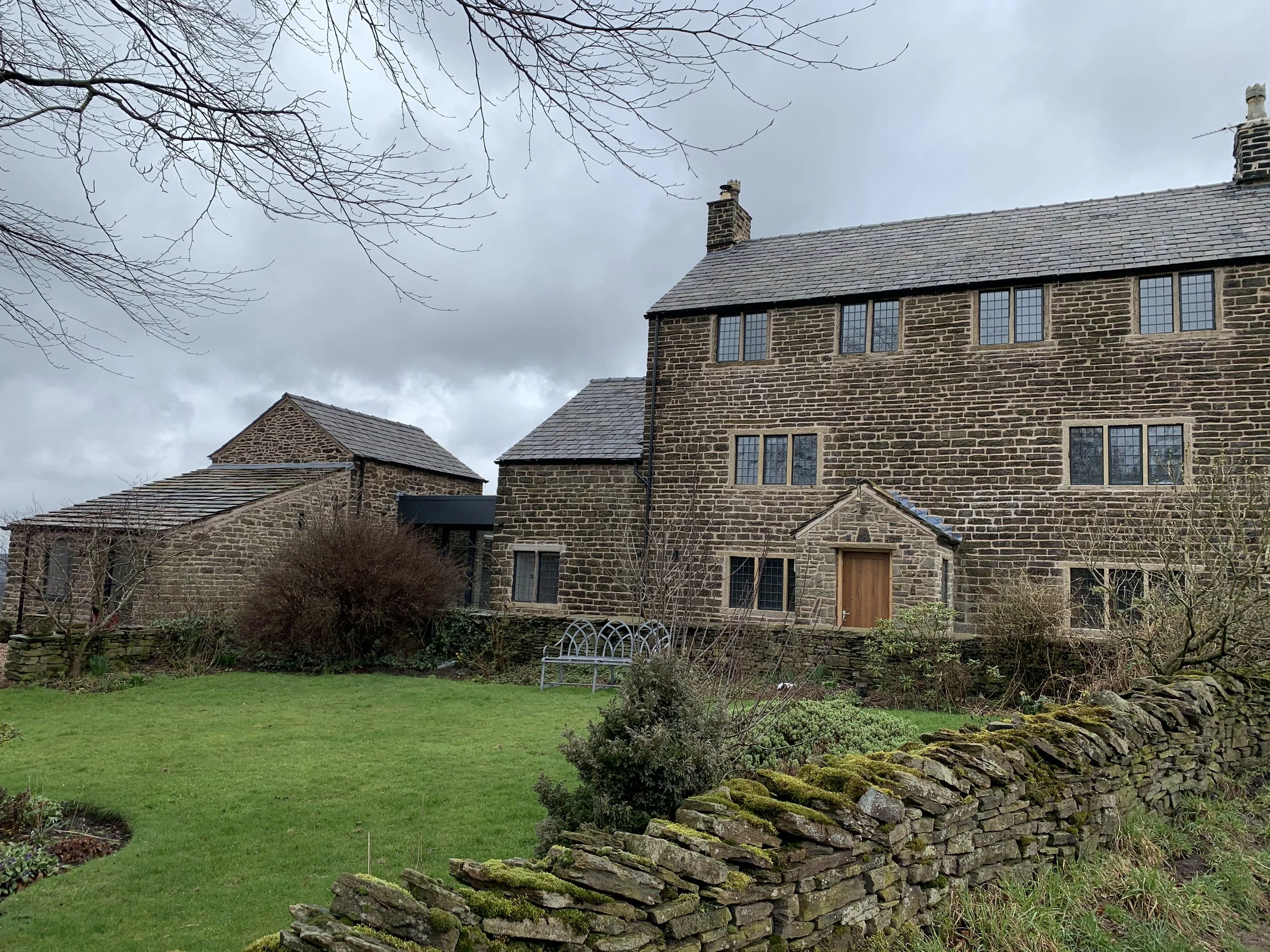
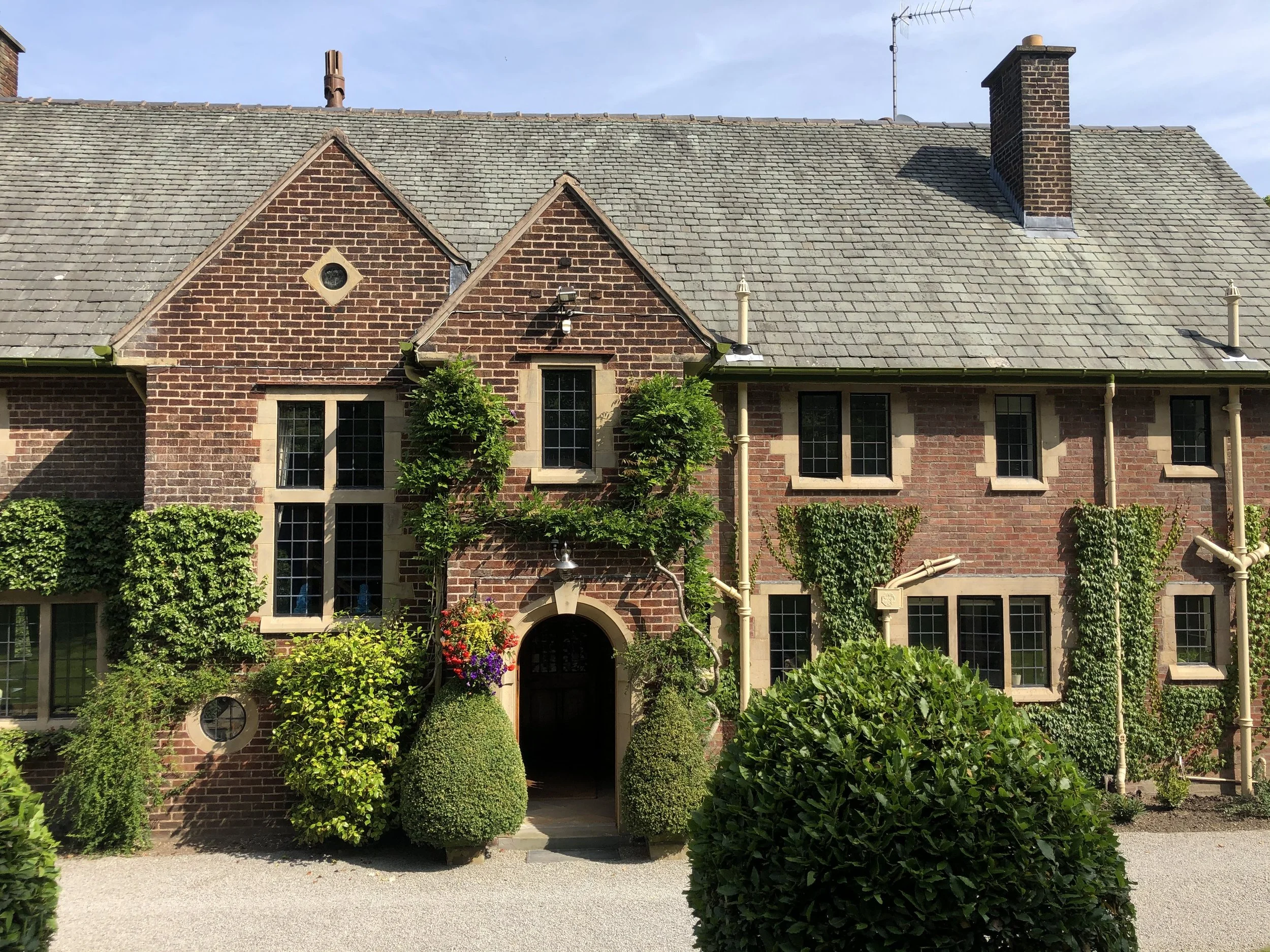
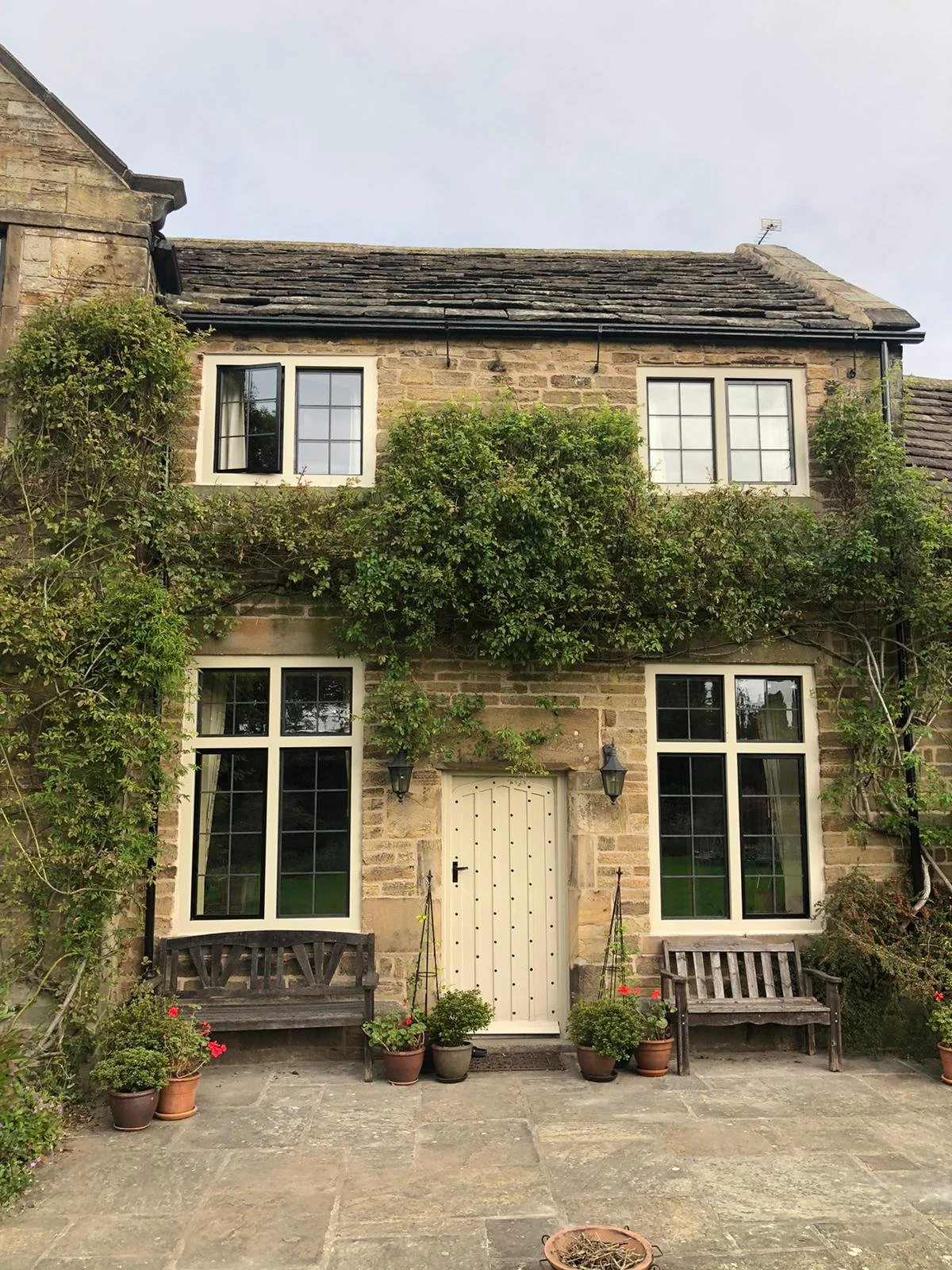
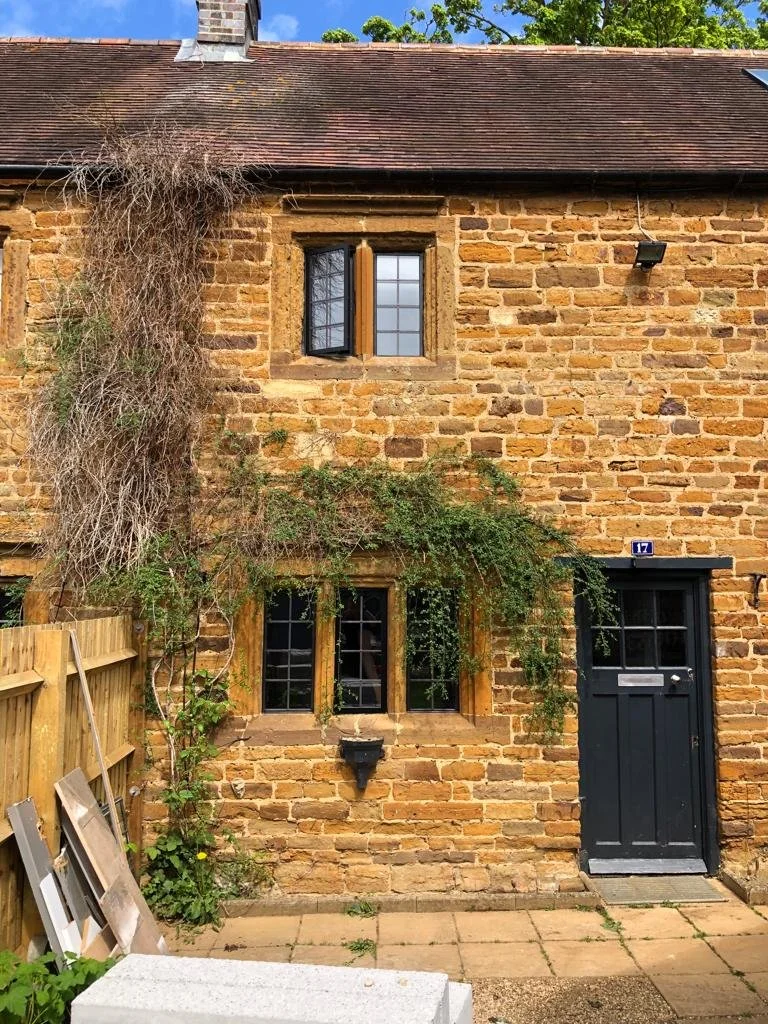
Touchstone, has designed and patented the Steeltye / Insulead glazing system, specifically for historic buildings. Our double-glazed windows are carefully designed to replicate the appearance of traditional windows as closely as possible, ensuring they sit naturally within the building and remain in keeping with its history and character.
One of the greatest compliments we receive is when people cannot tell the difference between the original windows and our new double-glazed replacements.
Our double-glazed windows have not only been accepted by Historic England and installed in listed buildings across the United Kingdom, but they also provide modern levels of thermal performance (BFRC A++) while preserving the narrative of the building.
Further Reading and Specialist Advice
Please use the following links for more information on double glazing for listed buildings.
Alternatively, please give us a call on 01484 400023 and we will be happy to help in any way.
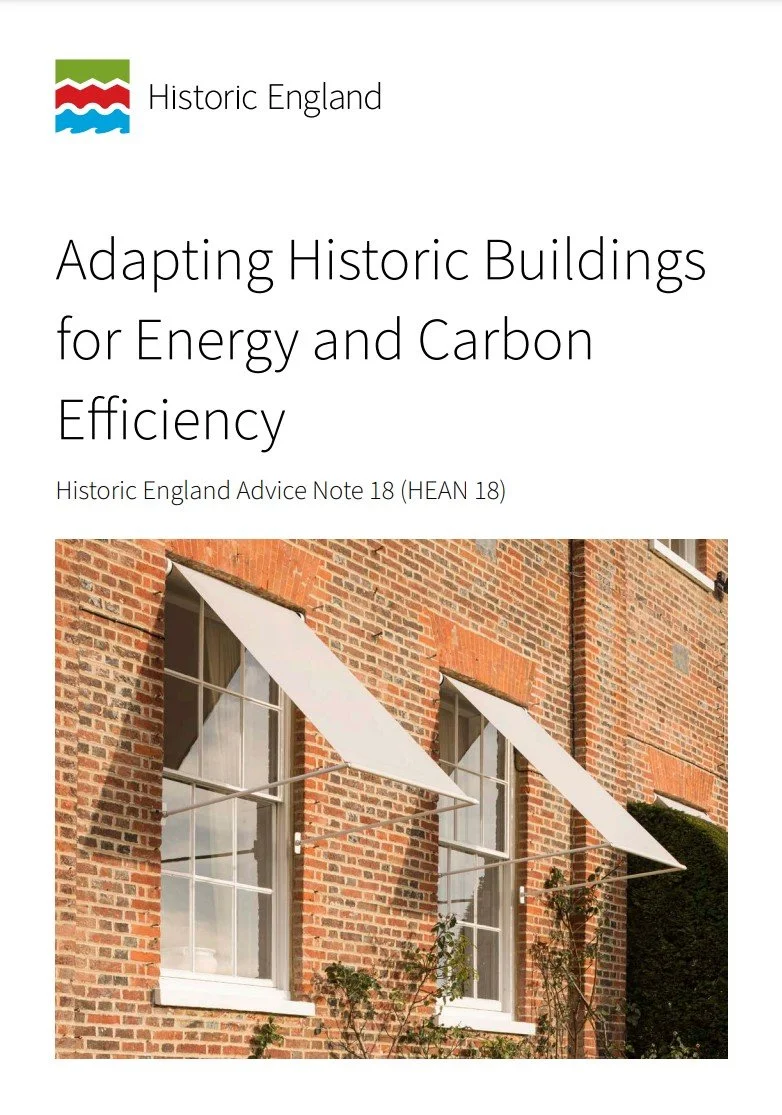
Please see the updated advice document from Historic England featuring our windows in Grade I Ledston Hall.
For more information on this project, please click here.